Nuisance Bear (2026)



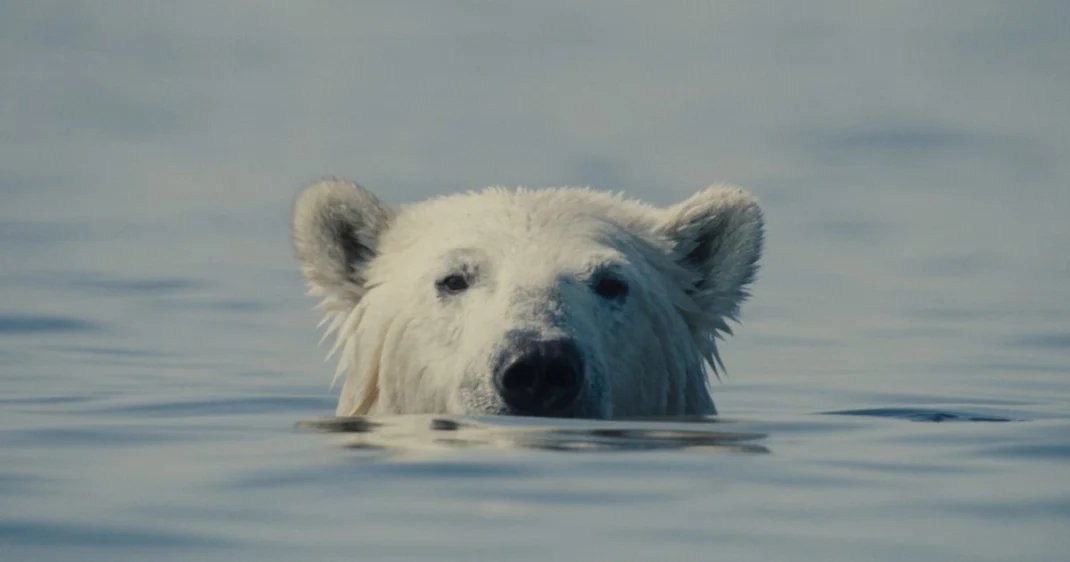
In Canada vriest het winterijs steeds later op, dus zoeken ijsberen hun voedsel vaker in bewoonde gebieden. De Canadese overheid verplaatst het probleem door de dieren te verhuizen naar het leefgebied van de Inuit.
In het noorden van Canada wordt de ijsbeer steeds meer een overlastbeer. Ze zwerven over stortplaatsen en industrieterreinen en breken vissershutten open. Tegelijk trekken de dieren toeristen uit heel de wereld aan. Over die spagaat gaat Nuisance Bear.
Het openingsshot toont hoe een ijsbeermoeder en haar twee welpen ontwaken in de sneeuw. Dan draait de camera naar de menigte aan fotografen en filmers die het tafereel vastleggen. Feit is dat klimaatverandering de ijsbeer recht op het pad van de mens heeft gezet. Doordat het winterijs steeds later opvriest zoeken de dieren hun voedsel in bewoonde gebieden.
Nuisance Bear toont de gevolgen. Zo is in Manitoba een complete industrie ontstaan rond het verplaatsen van ijsberen naar de dunst bevolkte gebieden. Daar wonen de Inuit, die lang in harmonie met de dieren leefden. Maar ook zij ervaren overlast, en mogen nauwelijks nog op ijsberen jagen. Inuit Mike Tunalaaq Gibbons voorziet de film van een historische context. Hij ziet overeenkomsten tussen de behandeling van de beren en de onderdrukking van zijn eigen volk. “Het verhaal van de beer is ook ons verhaal.”
In Canada, winter ice is freezing later and later, and polar bears are increasingly seeking food in populated areas. The Canadian government relocates the problem by moving the animals to areas inhabited by Inuit people.
In northern Canada, the polar bear is increasingly becoming a “nuisance bear” that roams landfills and industrial sites and breaks into fishing cabins. But the animals also attract tourists from all over the world. This tension lies at the heart of Nuisance Bear.
The opening shot shows a mother polar bear and her two cubs waking up in the snow. The camera then turns to the crowd of photographers and filmmakers documenting the scene. Climate change has placed the polar bear directly in the path of humans: as winter ice freezes later and later, the animals seek food in populated areas.
This film explores the consequences of that fact. In Manitoba, for example, an entire industry has emerged around relocating polar bears to the most sparsely populated areas—where Inuit communities live. For a long time, they lived in harmony with polar bears, but now they too are having to deal with the nuisance—while being barely allowed to hunt the animals. Inuit Mike Tunalaaq Gibbons provides the film with historical context. He sees parallels between the treatment of the bears and the oppression of his own people: “The story of the bear is our story too.”
Director: Gabriela Osio Vanden, Jack Weisman
Year: 2026
Country: United States of America, Canada
Length: 91 min.
Language: Inuktitut, English
Subtitles: none
Szczegóły
Więcej wydarzeń: Kt Amsterdam · Więcej: Festiwale w Kt Amsterdam
Polecane wydarzenia

Komentarze
Nie ma jeszcze komentarzy. Bądź pierwszy i podziel się opinią.