Šis renginys jau įvyko.
Temple of the Wild Geese (1962)



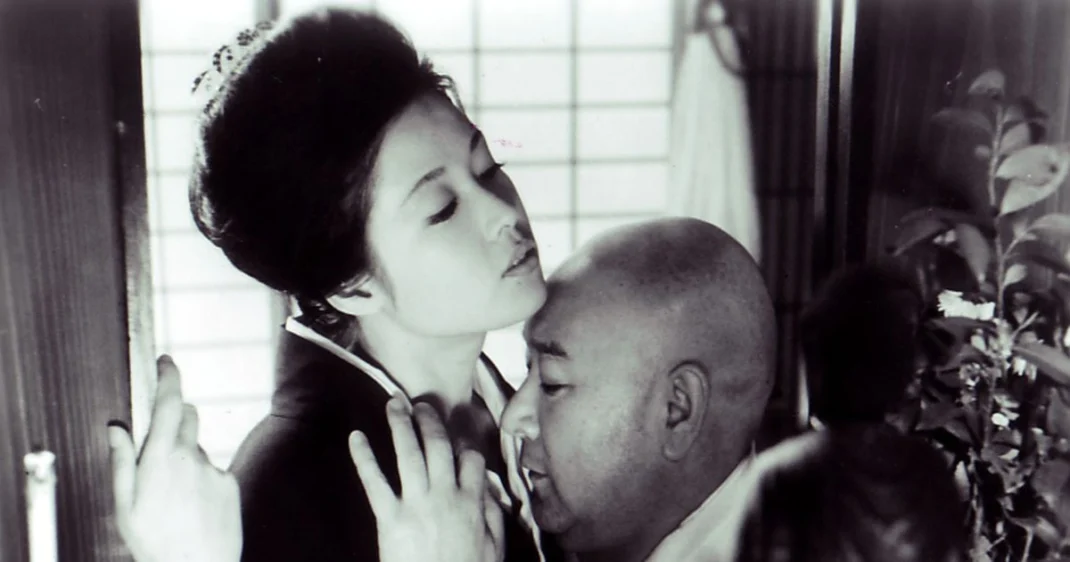
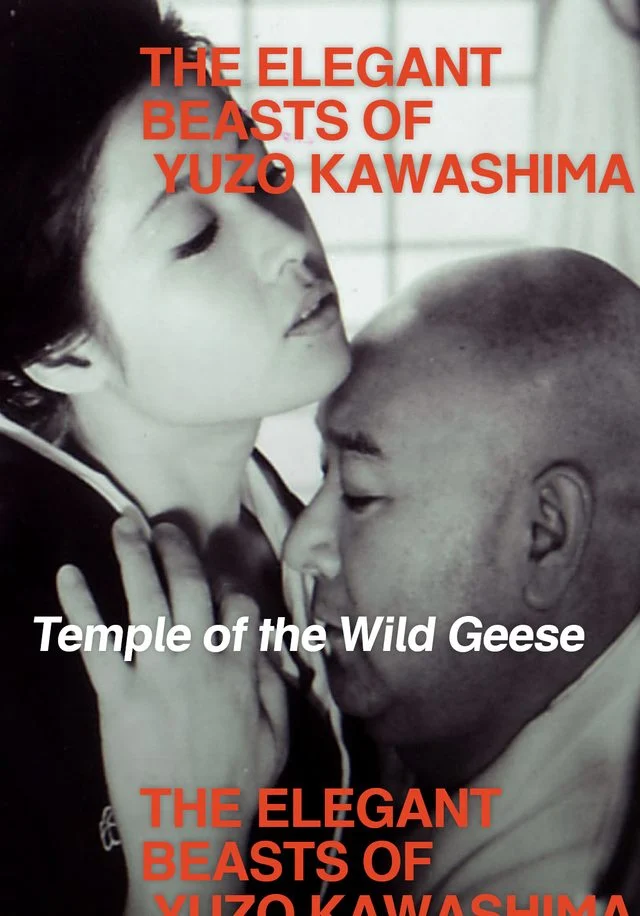
Yuzo Kawashima’s scherp observerende en ironische drama volgt een ingehuurde minnares en een boeddhistische monnik die naar elkaar toegroeien door hun gedeelde arme jeugd. Nieuwe 4K-restauratie.
De jonge monnik Jinen woont in een boeddhistische tempel die bekendstaat om zijn schilderijen van wilde ganzen. Hij staat onder het regime van een wrede hogepriester, die zijn seksuele verlangens botviert op de ingehuurde minnares Satoko. Zij voelt een mengeling van medelijden en fascinatie voor de stille, gemartelde Jinen. Als ze hem opzoekt, komt ze erachter dat ze eenzelfde soort arme jeugd hebben gehad, waardoor de twee nader tot elkaar komen.
Yuzo Kawashima’s scherp observerende en ironische bewerking van Tsutomu Minakami’s roman is prachtig gefilmd in breedbeeld zwart-wit door cameraman Hiroshi Murai (The Sword of Doom).
„Het maken van deze film heeft me ongelooflijk geholpen in mijn zoektocht naar mijn doelen als regisseur. Tegelijkertijd wil ik Hiroshi Murai achter de camera bedanken. Dat komt omdat Murai me liet beseffen dat ik tot mijn spijt geen regisseur was die films vanuit een schilderachtig perspectief zag. Hij liet me dit inzien.” – Yuzo Kawashima
Op 22 oktober met welkomstwoord van Zijne Excellentie Rokuichiro Michii, Ambassadeur van Japan in Nederland, en inleiding van de film door Ivo Smits, hoogleraar Letteren en Cultuur van Japan (Universiteit Leiden).
Nieuwe 4K-restauratie (Kadokawa)
Yuzo Kawashima’s acutely observed, ironic drama follows a contracted lover and a Buddhist monk who become close due to their hardscrabble childhoods. New 4K restoration.
The young monk Jinen lives at a Buddhist temple known for its paintings of wild geese which is governed by a cruel high priest who subjects his hired lover Satoko to his sexual desires. She pitties and is fascinated by the quiet, tortured Jinen. When she seeks him out they prove to have had the same kind of impoverished youth and this brings them together.
„The making of this film was incredibly helpful in figuring out what my goals are to be for my direction. Concurrently, I want to thank Hiroshi Murai behind the camera. That is because Murai made me sorry that I was not a director who saw films from a painterly perspective. He let me realize this.” – Yuzo Kawashima
On October 22 with welcome speech of His Excellency Rokuichiro Michii, Ambassador of Japan to the Netherlands, followed by an introduction of the film by Ivo Smits, professor of Arts and Cultures of Japan (Leiden University).
New 4K restoration (Kadokawa)
Director: Yuzo Kawashima
Year: 1962
Country: Japan
Length: 98 min.
Language: Japanese
Subtitles: English
Renginio informacija
Daugiau renginių: Kt Amsterdam · Daugiau: Kinas, Kt Amsterdam
Komentarai 1
Rekomanduojami renginiai

I’m so happy I discovered Eye Film Museum at kscur ! Thanks to you, I can now experience these incredible cinematic masterpieces on the big screen. What a discovery of the year! Yuzo Kawashima’s film is a beautifully shot, ironic and deeply human story about two lonely souls. A fascinating exploration of compassion, vulnerability and human connection, brought to life through stunning black-and-white cinematography.